Long-lasting and Fashionable Surface Finishing Options for Every Need
Durable and stylish floor coating solutions address a range of requirements in both residential and commercial spaces. The choice of materials can greatly affect not just appearance, but also functionality and longevity. Considerations such as foot traffic and environmental conditions play an important role in the decision-making process. Understanding these elements can lead to improved choices. Yet, with so many options available, how does one determine the most suitable solution?
Finding the Right Coating System for Your Area
How should one decide on the most appropriate floor coating for a exact environment? Deciding on the right floor coating involves thoughtful assessment of various factors. First, consult now one must assess the space's function; residential areas may highlight aesthetics, while industrial settings might place emphasis on durability and safety. Next, learning about the foot traffic levels is necessary, as coatings fluctuate in resilience. Environmental conditions, including moisture and temperature fluctuations, also play a noteworthy role in coating selection.
Moreover, the foundation surface under the coating can shape bonding and compatibility. For example, concrete areas may need particular primers or sealants. One must also assess maintenance requirements; some coatings require routine maintenance while others provide minimal-care options. Financial constraints are equally critical, as costs can differ significantly among materials. Ultimately, a well-researched decision requires striking a balance between functionality, aesthetics, and cost-effectiveness to achieve the desired outcome.
Most Long-lasting Floor Finishes for Busy Areas
In high-traffic areas, the choice of surface coating greatly impacts longevity and upkeep. Epoxy flooring systems are recognized for their resilience and capacity to withstand heavy use, while polyurethane options offer adaptability and resistance to chemical damage. Comprehending the benefits of these options is crucial for ensuring durable functionality in challenging environments.
Resin Floor Coatings
Epoxy floor coatings function as a superior choice for high-traffic areas due to their superior longevity and resilience. Made from a combination of epoxy resins and hardeners, these coatings construct a strong surface that can tolerate heavy foot and vehicle traffic without displaying deterioration. The seamless application process curtails joints and seams, reducing the risk of water infiltration and mold growth. Additionally, epoxy coatings provide impressive resistance to chemicals, stains, and impacts, making them well-suited for industrial, commercial, and residential environments. Their glossy finish elevates aesthetics while supplying slip resistance, boosting safety. Overall, epoxy floor coatings give a practical and visually appealing solution for spaces needing long-lasting performance.
Polyurethane Floor Choices
Polyurethane floor solutions stand out as a leading option for spaces that require exceptional durability and resilience. These coatings are especially ideal for high-traffic areas, such as commercial spaces, warehouses, and industrial facilities. Their strong composition delivers superior protection against abrasions, chemicals, and UV exposure, guaranteeing long-lasting performance. In addition, polyurethane coatings offer flexibility, enabling them to endure impacts without cracking or peeling. The aesthetic appeal of these solutions is similarly important, as they are offered in multiple color options and finishes, improving the overall ambiance of any space. Moreover, their simple upkeep makes them a sensible option for busy environments, minimizing downtime and upkeep costs. As a result, polyurethane floor solutions emerge as an ideal choice for demanding applications.
How to Find Elegant Floor Coatings That Match Your Space?
Selecting the appropriate flooring finish can substantially enhance the aesthetics and functionality of a room. Initially, assessing the room's purpose is essential; busy areas may require durable options, while more decorative spaces can focus on appearance. Color schemes and design styles should guide the selection process; soft hues often create versatility, while vibrant hues can create a bold impression.
Texture functions as an essential part; glossy finishes can enhance a modern flair, while matte options may generate warmth and coziness. Accounting for lighting is paramount, as different coatings can reflect light differently, affecting the overall ambiance. Furthermore, maintenance requirements should not be disregarded; some coatings require more upkeep than others.
Ultimately, working with professionals can deliver valuable insights into the best materials suited for specific environments, ensuring a harmonious blend of aesthetics and functionality in any chosen floor coating.
Premium Green Protective Coatings for Sustainable Homes
Green floor coatings provide significant benefits, encompassing lowered ecological impact and better indoor air standards. Several sustainable materials are available, each offering special advantages for distinct applications. Understanding application tips can also boost the lifespan of these coatings, ensuring a lasting role in green living.
Positive Impacts of Eco-Conscious Coatings
As interest in sustainable living increases, the advantages of environmentally conscious floor coatings become apparent. These coatings often employ natural materials and harmless formulations, cutting toxic gases and encouraging better indoor air quality. Their durability provides long-lasting performance, decreasing the need for constant replacements and thereby reducing environmental impact over time. Additionally, sustainable coatings can improve energy efficiency by reflecting light and keeping ideal temperatures within a space. In addition, many of these products are biodegradable, ensuring that they do not add to landfill waste. By selecting eco-friendly options, consumers not only encourage a healthier environment but also choose stylish, high-quality flooring solutions that align with their values of sustainability and responsible living.
Premier Sustainable Material Options
The growing emphasis to environmentally conscious practices has prompted an exploration of multiple environmentally friendly floor coating options. Organic materials like bamboo and cork have become more sought after because of their sustainability and minimal environmental impact. Furthermore, water-based polyurethane finishes are celebrated for their low volatile organic compound (VOC) emissions, making them safer for interior spaces. Rubber flooring from recycled sources also stands out as an eco-conscious option, leveraging reclaimed materials while offering durability and comfort. Additionally, plant-based epoxies are progressively sought after for their green attributes, uniting strength with reduced environmental impact. These green choices not only boost visual appeal of spaces but also positively impact the planet, aligning with the increasing need for responsible living solutions.
Key Points for Longevity Enrollment Process
To apply environmentally safe floor coatings, diligent attention to the details is required to secure long-term results. Proper surface preparation is essential; this includes washing and fixing any imperfections to promote optimal adhesion. One should monitor temperature and humidity levels because they considerably affect drying and curing. Utilizing high-quality applicators such as rollers and brushes helps to better the finish and ensure even application. More thin coats are recommended over a thick single layer to reduce bubbling and boost durability. Allowing sufficient drying time between coats, as per the manufacturer's instructions, is also crucial. Consistent maintenance, including cleaning with gentle, environmentally safe products, will support in extending the coating’s lifespan and keeping its aesthetic charm.
Budget-Friendly Flooring Choices
Numerous homeowners pursue budget-friendly flooring options that deliver both strength and visual charm. Vinyl plank flooring has risen in popularity due to its waterproof properties and variety of styles, emulating natural wood or stone without the high cost. Laminate flooring delivers a alike appearance, presenting a long-lasting top that withstands scratches and dents, making it appropriate for high-traffic areas.
Moreover, cork flooring is an sustainable alternative, celebrated for its softness and temperature-regulating properties. It is also protected to fungal growth, suitable for humid environments. For those seeking an even more affordable solution, painted concrete can reimagine a basic slab into a stylish floor, permitting for creative designs.
These selections not only remain within budget constraints but also offer the necessary durability to withstand everyday deterioration, demonstrating that quality flooring can be obtainable without compromising style.
Steps to Install Your New Floor Coating
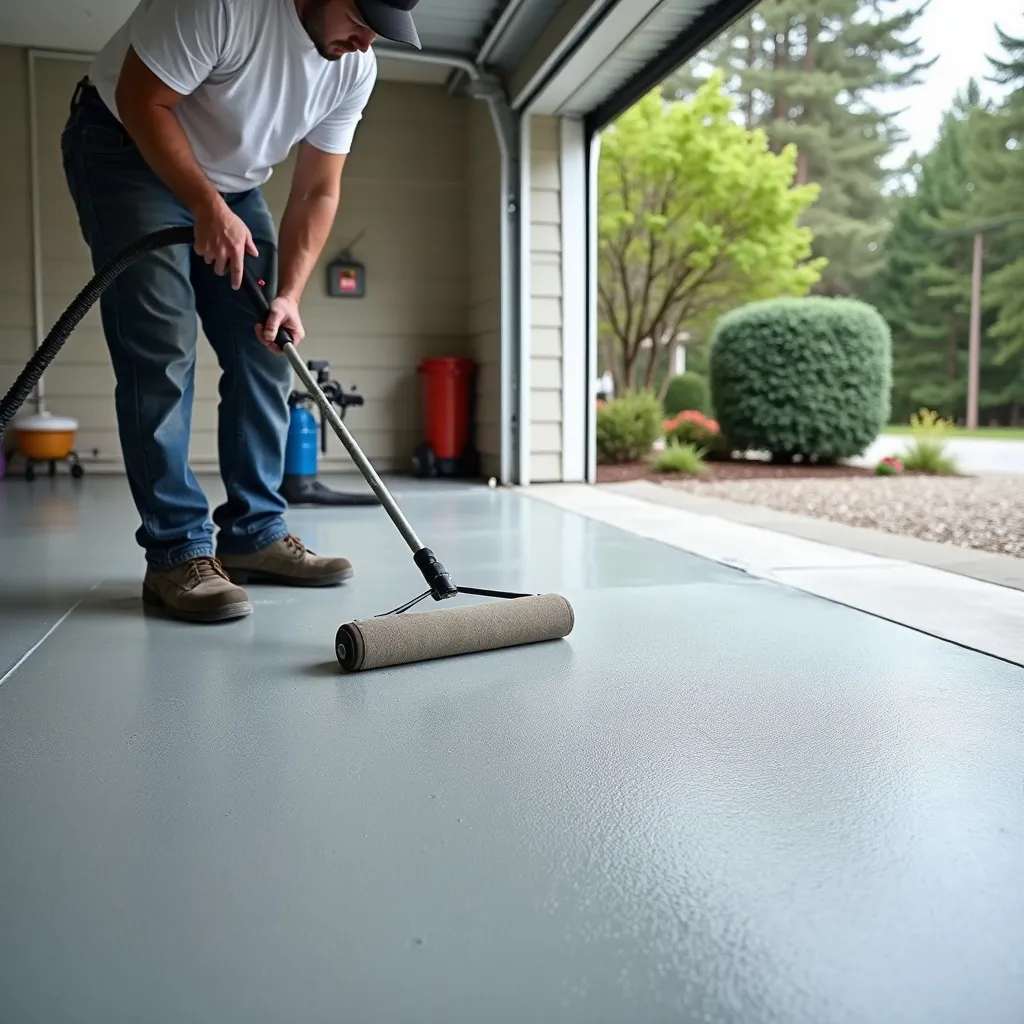
Putting in place a new floor coating requires meticulous planning and meticulous attention to guarantee a lasting finish. First, the existing floor must be thoroughly cleaned to remove dust, dirt, and any contaminants. This may include sweeping, vacuuming, and mopping. Once the surface is clean, any flaws or unevenness should be repaired to ensure a smooth base.
Next, the suitable primer should be applied, suited to the specific type of coating chosen. Following the base coat's drying time, the true floor treatment can be laid using a brush and roller, guaranteeing consistent coat. It is important to comply with the manufacturer's directives regarding layer thickness and drying period.
When the first layer has dried, a extra coat could be essential for added durability. Finally, ensuring sufficient curing time before heavy foot traffic is vital to sustain the integrity of the fresh coating application.
Straightforward Tips for Keeping Your Floors Looking Impressive
Once you've properly applied a new floor coating, keeping it looking pristine becomes a priority. Routine maintenance is vital; daily sweeping and vacuuming removes dirt and debris that can scratch the surface. For deeper cleaning, applying a pH-neutral cleaner with a damp mop protects the coating's finish without causing damage.
Furthermore, placing mats at entryways reduces the amount of dirt tracked onto the floors. It is advisable to steer clear of harsh chemicals and abrasive tools, as they can wear down the coating over time. Spills should be cleaned promptly to avoid staining.
Moreover, regular assessments for deterioration signs can help identify issues before they escalate. If warranted, putting on a fresh coat of coating can revitalize the floor's appeal and extend its lifespan. By observing these straightforward maintenance guidelines, one can verify that their floor coating remains attractive and functional for years to come.

Often Asked Questions
What Is The Average Lifespan of Different Floor Coatings?
Assorted floor coatings often endure between five to twenty years, depending on the material and usage. For instance, epoxy can last up to ten years, while polyurethane may endure up to twenty with suitable maintenance.
Can I apply Floor Coatings Over Existing Flooring?
Yes, floor coatings can commonly be applied over existing flooring, provided the surface is clean, moisture-free, and properly maintained. Correct preparation is vital to guarantee adhesion and longevity of the new coating.
What Maintenance Must Be Done for Various Protective Finishes?
Maintenance for floor coatings varies: epoxy requires frequent cleaning and occasional re-coating, while polyurethane needs gentle cleaning without strong chemicals. Vinyl coatings require basic sweeping and mopping to maintain their look and durability.
What Safety Issues Are Related to Floor Coatings?
Certain floor coatings could present health risks, such as respiratory issues or dermatological irritation, primarily due to VOCs (VOCs). Proper ventilation and adherence to safety guidelines can reduce these potential dangers during application and use.
How Do Temperature and Humidity Impact Floor Coating Performance?
Environmental factors like temperature and humidity substantially impact floor coating performance. High humidity may lengthen setting periods, while extreme temperatures can affect adhesion and cure rates, which could cause compromised lifespan and appearance over time.